
AI Sentiment Analysis: How Tone Shapes Brand Perception
AI Sentiment Analysis: How Tone Shapes Brand Perception
Learn how AI sentiment analysis works, why the tone of AI responses matters for brand perception, and how to evaluate sentiment across AI platforms.
Haritha Kadapa

Highlights
AI sentiment analysis goes beyond mentions: It is not enough for your brand to appear in AI responses. What matters is how it is described. Tone and framing influence perception more than presence alone.
Tone shapes buyer decisions: AI platforms influence decisions through language, not rankings. Subtle phrasing like “simple” or “suitable for smaller teams” can frame your brand as limited.
Neutral does not mean safe: Most brands are described in neutral terms. But neutral language often lacks strong positioning, making your brand easy to overlook in comparison.
Comparison creates perception gaps: AI often evaluates brands side by side. Even accurate descriptions can make your brand feel weaker if competitors are framed more strongly.
Patterns matter more than individual responses: One response does not define perception. Consistent patterns across queries and platforms reveal how your brand is actually positioned.
What is AI sentiment analysis?
Sentiment analysis is the practice of evaluating the tone and emotional framing behind mentions of your brand. In traditional marketing, this meant scanning social media posts, reviews, and news articles to determine
whether the language around your brand was positive, negative, or neutral.
In the AI era, sentiment analysis has extended into a new environment: the responses generated by large language models (LLMs).
When an AI platform mentions your brand, it does not just name it; it also describes it. That description carries tone. It can position your brand as a leader, a niche tool, an outdated solution, or a risky choice. Each of those framings communicates something to the buyer, often before they have visited your website.
|
The spectrum of AI sentiment
AI sentiment in brand responses falls into four categories:
Positive sentiment
AI sentiment in brand responses falls into four categories:
Positive sentiment occurs when AI responses describe your brand in affirming, expansive terms. Your brand is named as a recommended option, described with strengths, or positioned as a leader in its category.
→ “BrandZ is a great choice for teams that want easy-to-use AI marketing tools and quick campaign setup.”
Neutral sentiment
Neutral sentiment occurs when AI responses mention your brand without strong characterization. The brand is named but not praised or criticized. This is common in category lists where AI platforms include several options without differentiation.
→ “BrandZ is an AI-driven digital marketing platform used by mid-sized businesses.”
Negative sentiment
Negative sentiment occurs when AI responses associate your brand with limitations, risks, or past issues. This can result from outdated content, critical third-party reviews, or competitive framing that positions your brand unfavorably.
→ “Some users say BrandZ’s automation features are basic compared to other platforms.”
Mixed sentiment
Mixed sentiment occurs when AI responses include both positive and limiting characterizations. This is common when a brand has strengths in some areas and known weaknesses in others, and when AI models encounter content reflecting both.
→ “BrandZ is easy to use and good for beginners but may not suit teams that need advanced campaign features.”
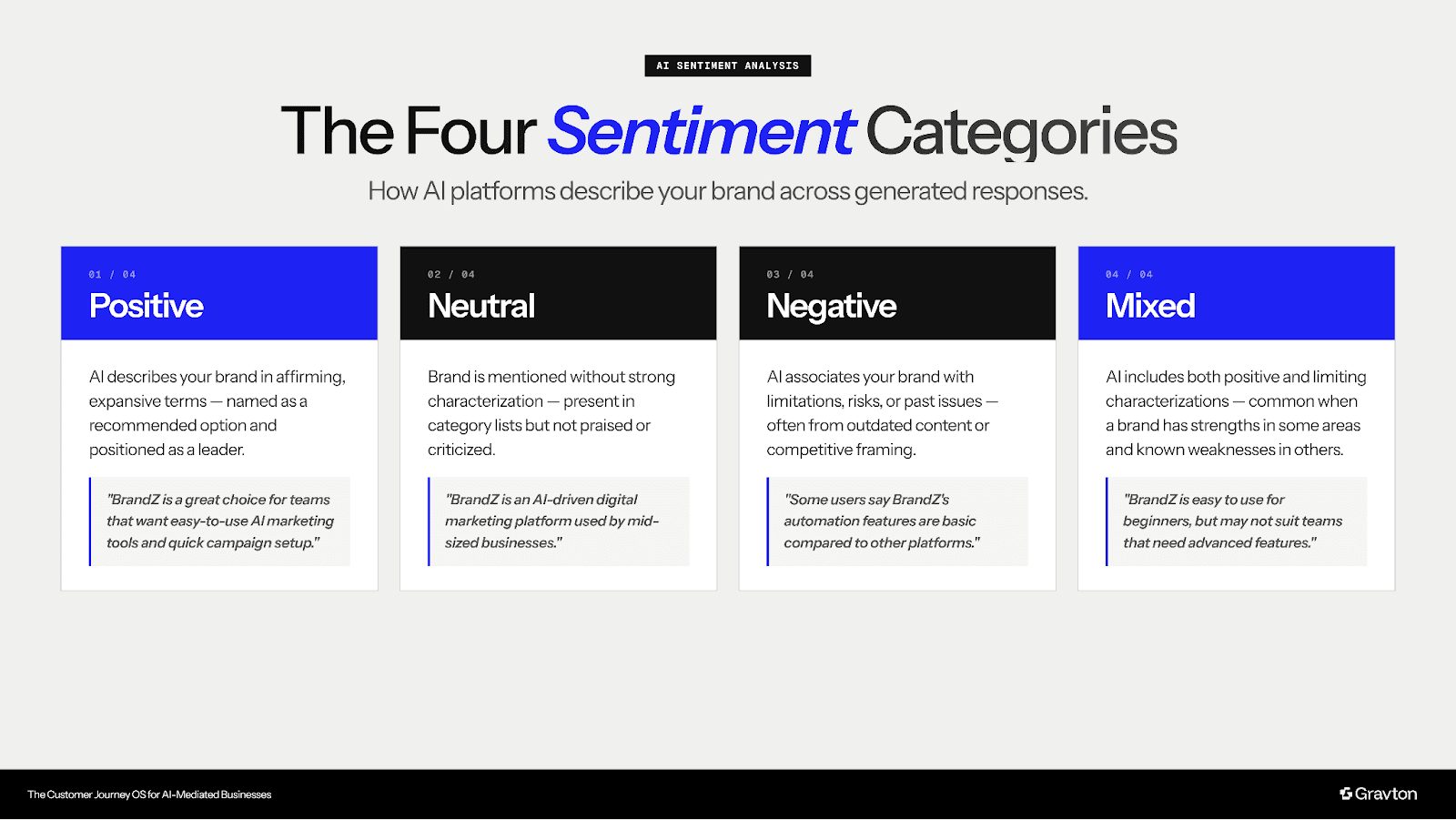
Figure 1: Four categories of AI sentiment.
Why AI sentiment matters and how to measure it
Sentiment distribution
When you analyze multiple responses together, patterns become measurable through sentiment distribution. This shows how your brand is described across all responses.
Consider brandZ, an AI-driven digital marketing platform. When it appears in AI responses, it is often described like this:
→ “BrandZ is a viable option for smaller teams that do not require advanced automation or complex multi-channel campaign management.”
This is not negative. It is accurate. But it frames the product as limited. A marketer evaluating tools for a growing team may move on.
Across many such responses, BrandZ might appear as:
→ 10% positive, 55% neutral, 20% mixed, 15% negative
This distribution shows that while BrandZ is visible, most mentions are neutral or slightly limiting. The issue is not absence, but weak positioning.
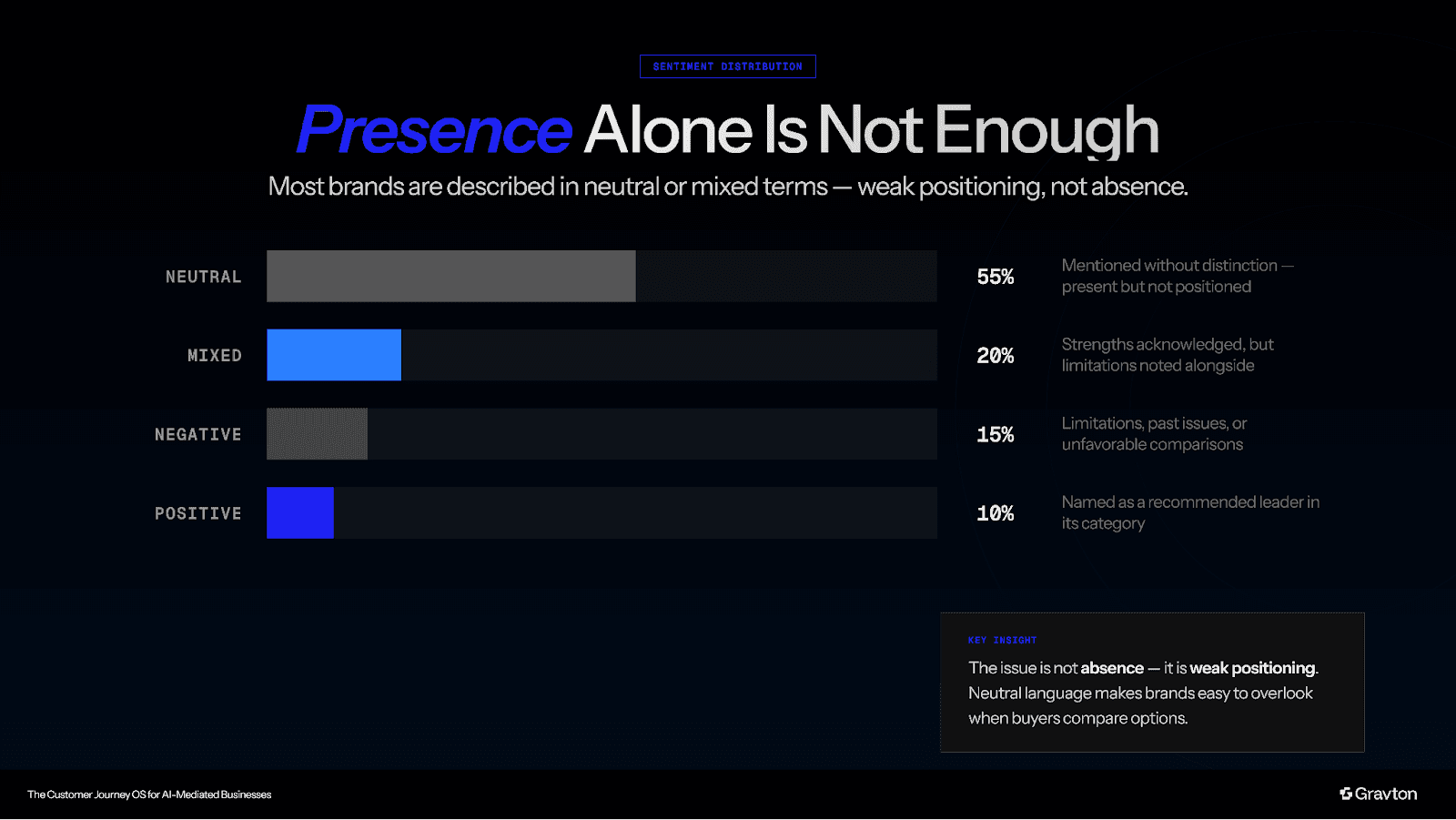
Figure 2: Sentiment distribution across AI responses.
Positioning rate
This measures how often your brand is recommended versus just mentioned.
For example, BrandZ may appear like this in responses:
→ “Other options include brandZ, which is suitable for smaller teams.”
Again, this is not negative. But it places the brand in the background. Buyers are more likely to focus on primary recommendations.
If BrandZ is consistently shown as a secondary option rather than a primary recommendation, it signals weak positioning, even without negative language.
Sentiment gap vs. competitors
This compares how your brand is described relative to competitors in the same responses.
→ “BrandX is widely recognized as a comprehensive AI-driven marketing platform, with strong automation capabilities and advanced cross-channel analytics.”
Compared to the earlier description of brandZ, both statements may be accurate. But the framing is different. One feels complete and scalable, while the other feels limited.
This gap is measurable. If competitors consistently receive stronger, more positive descriptions while your brand appears neutral or mixed, that difference directly influences buyer decisions.
What shapes AI sentiment
AI platforms do not have opinions. They generate tone from the content they were trained on. They may also reflect the tone of sources they retrieve.
Several factors shape the sentiment they assign to a brand:
Source content and framing
AI reflects the language it sees most often. If content about BrandZ uses words like “simple,” “lightweight,” or “easy to start,” AI platforms will reflect that framing. This can happen even if BrandZ has evolved into a more advanced platform.
Competitive context
AI often compares brands. If competitors are described in stronger or broader terms, your brand may seem limited. This can happen even without negative content about your brand.
→ “BrandX is a powerful AI marketing platform with advanced automation and deep analytics, while BrandZ is a simpler tool for basic campaign needs.”
BrandZ is not criticized, but it feels less capable.
Recency
Older content still influences AI responses. Past issues can continue to shape perception. Even if the problem is fixed, the signal may remain.
→ “Some users experienced problems during earlier updates.”
Reflects a past release, but still influences perception.
Citation patterns
AI often relies on third-party sources. These include review sites and analyst reports. If those sources use neutral or cautious language, that tone repeats. Over time, it becomes the default framing.
→ “BrandZ is a decent option for basic marketing needs.”
Neutral phrasing repeated from multiple reviews.
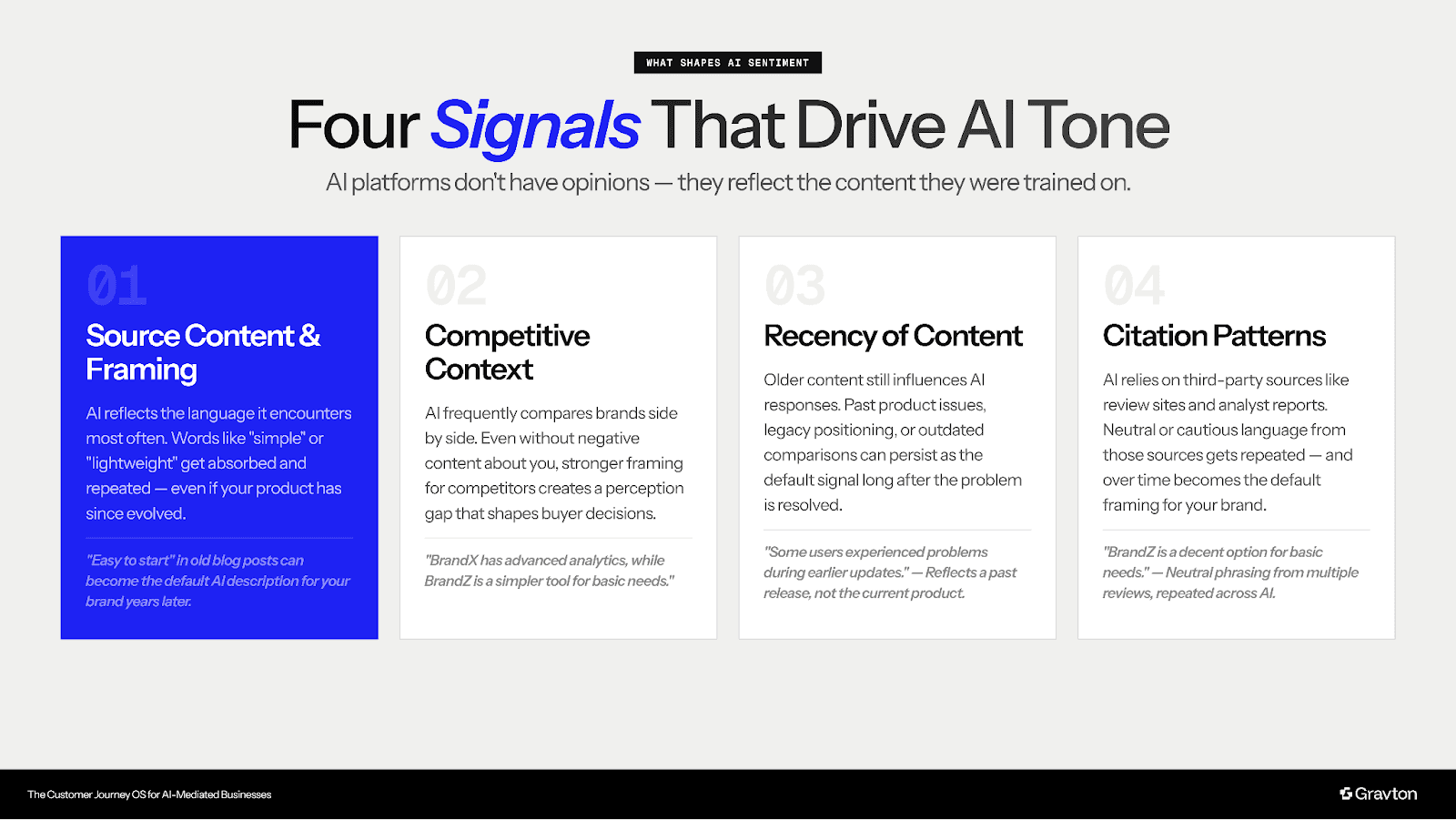
Figure 3: Four key signals that shape AI sentiment.
How to evaluate AI sentiment
Step 1: Run your query set
Using the query set established in brand monitoring, run each query across major AI platforms and save the full responses.
→ For BrandZ, this means running queries such as “Best AI-driven digital marketing platforms for growing teams” and “How does BrandZ compare to BrandX or BrandY?”
Step 2: Classify each response
For each response that mentions your brand, assign a sentiment label:
→ Positive, neutral, negative, or mixed.
Step 3: Look for patterns
Individual responses vary. Patterns are what matter.
→ If neutral-to-mixed sentiment appears in 70% of responses across platforms and query types, that is a systemic signal.
Step 4: Identify the source of the framing
When a pattern appears, trace it back to its source.
→ Review sites that describe it as “easy to use but limited.” Older blog posts comparing it unfavorably to enterprise tools.
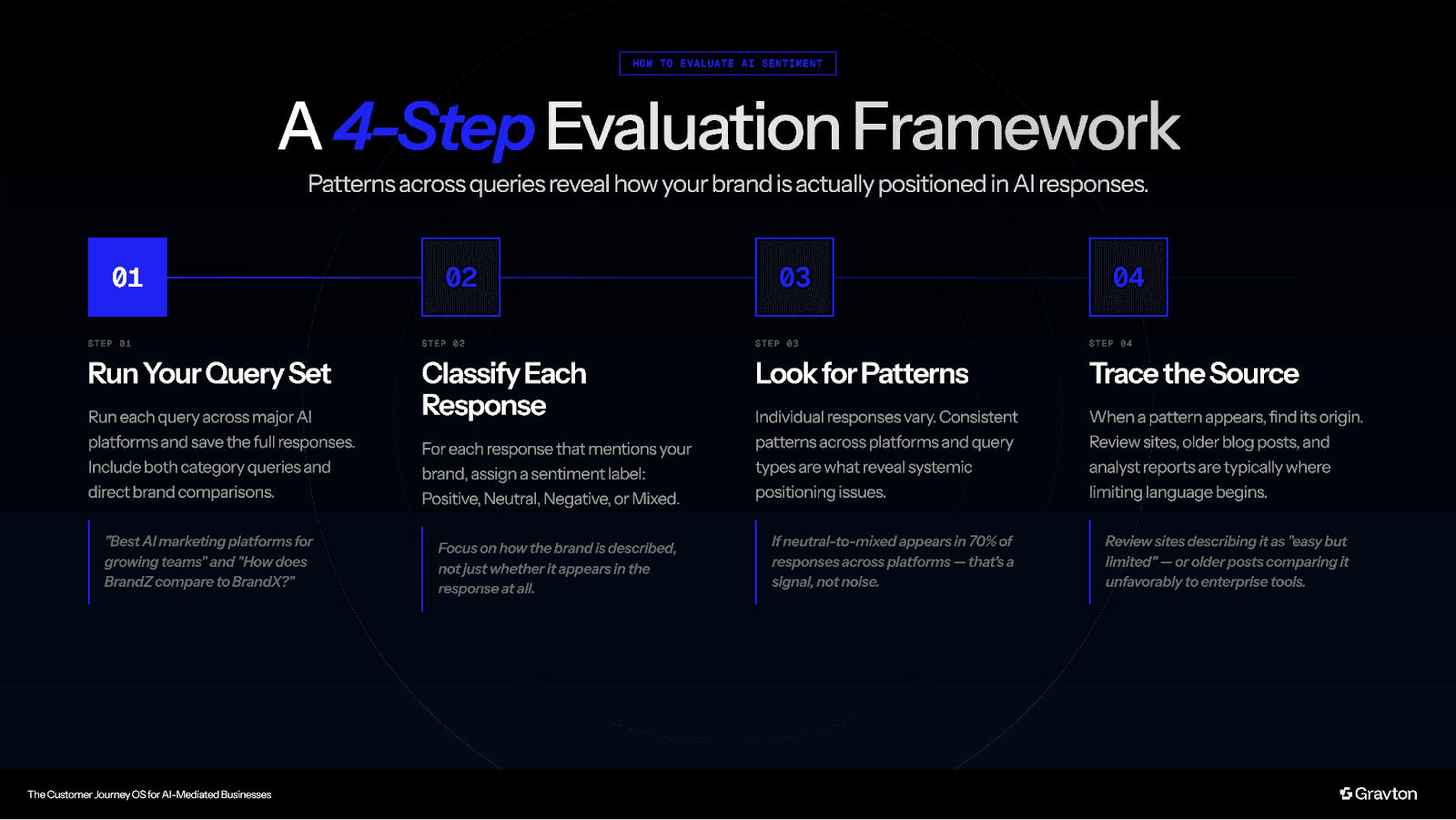
Figure 4: Four-step framework for evaluating AI sentiment.
Final thoughts: what sentiment analysis tells you
AI sentiment analysis is not about chasing positive mentions. It is about understanding how AI platforms consistently frame your brand across the queries that matter most to your buyers.
Sentiment analysis answers the second question in AI visibility: how your brand is being described across AI responses.
The takeaway is simple: presence in AI responses is necessary but not sufficient. If the language consistently frames the platform as a limited or secondary option, that framing shapes buyer decisions.
Sentiment is the tone layer. It sits between detection (monitoring) and meaning (narrative). Understanding it is essential to understanding the full picture.
FAQs on AI sentiment analysis
What is AI sentiment analysis?
AI sentiment analysis is the process of evaluating how AI platforms describe your brand. It focuses on tone, framing, and positioning across AI responses.
Why does AI sentiment analysis matter for brand perception?
AI platforms influence how buyers discover and evaluate brands. The way your brand is described in responses can shape perception before users visit your website.
What types of sentiment exist in AI responses?
AI sentiment typically falls into four categories: positive, neutral, negative, and mixed. Each reflects how strongly your brand is positioned and whether you emphasize limitations.
What is the sentiment gap vs. competitors?
A sentiment gap compares how your brand is described relative to competitors in the same responses. This gap directly impacts buyer decisions.
What factors influence AI sentiment?
AI sentiment is shaped by source content, competitive comparisons, older content (recency), and frequently cited third-party sources like reviews and analyst reports.
How can you evaluate AI sentiment for your brand?
You can evaluate AI sentiment by running relevant queries across AI platforms, classifying responses by sentiment, identifying patterns, and tracing the sources behind consistent framing.
Win your AI search demand universe
Understand how AI platforms characterize your brand's tone across responses and where competitors are being positioned more favourably in the moments that influence purchase decisions.
VISIBILITY & CONTENT STRATEGY