
Generative Engine Optimization (GEO) Guide: Rank in AI Search
Generative Engine Optimization (GEO) Guide: Rank in AI Search
Learn Generative Engine Optimization (GEO) to rank in AI search engines like ChatGPT, Perplexity & Gemini. Complete GEO guide with strategies, tools & examples.
Haritha Kadapa
Highlights
GEO defined: Generative Engine Optimization (GEO) is the practice of optimizing content so AI platforms like ChatGPT, Perplexity, Google AI Overviews, and Gemini can discover, understand, and cite your content in their generated responses.
Why GEO matters now: Millions of users receive direct answers from AI without clicking links, which means that brands not cited in those responses risk losing visibility at critical decision moments.
GEO vs SEO: Traditional SEO focuses on rankings in search results; GEO focuses on being included inside AI‑generated answers, measured by citation frequency and impression share rather than clicks.
Content strategy shift: GEO content emphasizes clarity, structured formatting, and authority signals such as expert authorship and contextual framing, which AI models use to decide what to cite.
Invisible funnel impact: AI visibility is a part of the customer journey that most analytics tools don’t capture; brands need GEO to measure and compete in the AI search landscape beyond traditional SEO reports.
Generative Engine Optimization (GEO) is the practice of optimizing your content for AI platforms such as ChatGPT, Perplexity, Google AI Overviews, and Gemini. The goal is to help these systems discover, understand, and cite your content in their responses.
Millions of users now get answers directly from AI platforms, without clicking a single link. If your brand is not appearing in those AI-generated responses, you are losing visibility. This happens at the exact moment your customers are making decisions. Worse, your analytics will not tell you this, because most of that traffic never reaches your site.
This guide explains what Generative Engine Optimization is, how it differs from traditional SEO, and what your business needs to do to stay visible as AI search becomes the primary method people use to find information, compare options, and make decisions.
|
1. What is Generative Engine Optimization (GEO)?
Generative Engine Optimization (GEO) is the practice of structuring and optimizing digital content so that AI-powered platforms can discover, understand, trust, and recommend it in their generated responses. Traditional SEO targets search engine algorithms. GEO targets Large Language Models (LLMs), the AI systems that power tools like ChatGPT, Perplexity, Claude, Gemini, Grok, Copilot, Meta AI, DeepSeek, Google AI Overviews, and Amazon Rufus.
The term GEO is still being standardized across the industry. You may also see it referred to as AI Search Optimization (AISO) or Large Language Model Optimization (LLMO). These terms describe the same core goal: making your content the kind of source that AI systems choose to reference when answering user queries.
The practical implication is straightforward. When a potential customer asks ChatGPT to recommend a product, compare two services, or explain a concept in your industry, your brand either appears in that answer, or it does not. GEO is the discipline that determines which side of that line you fall on.
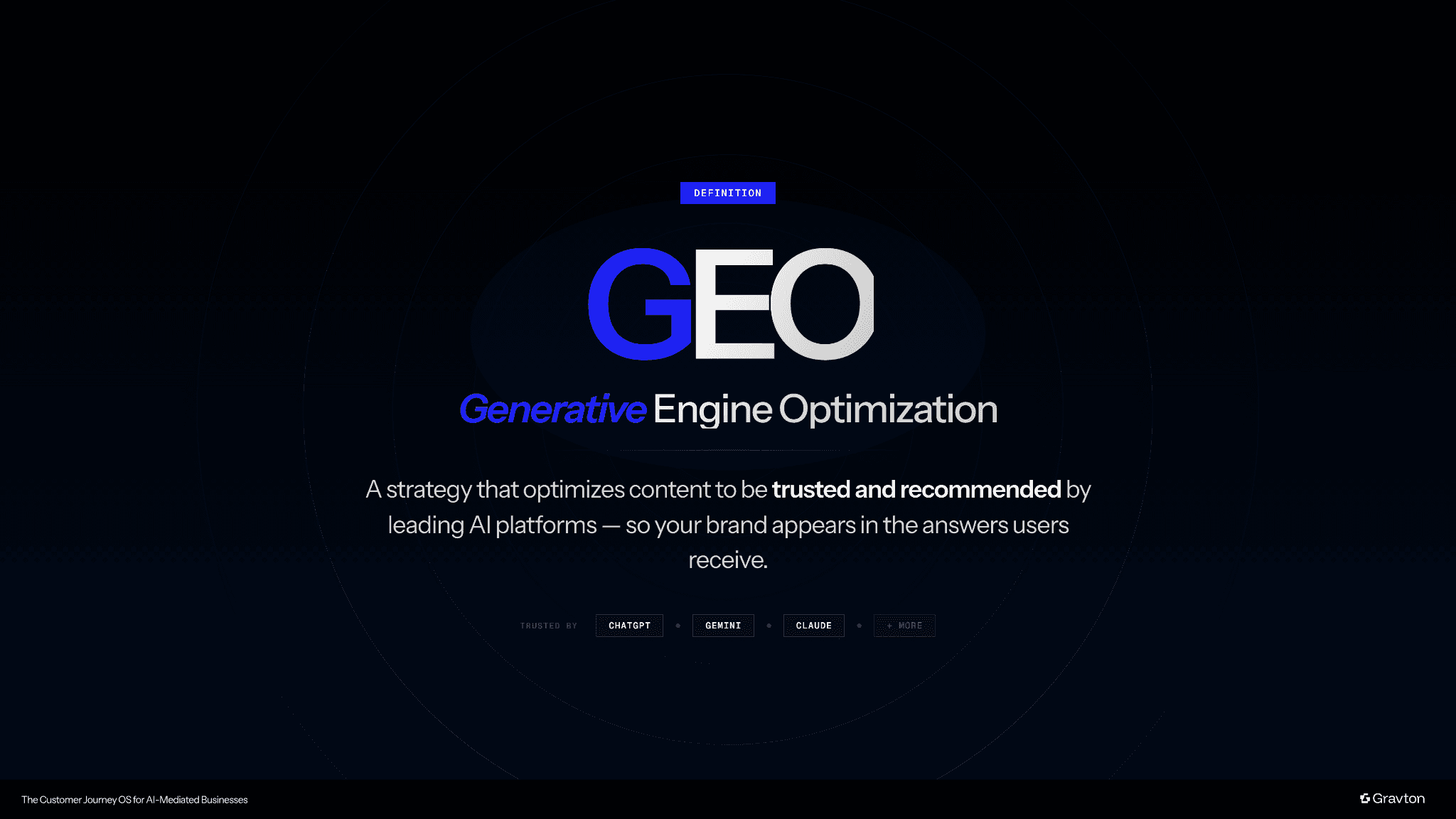
Figure 1: Generative Engine Optimization (GEO).
2. Why GEO matters for your business
The honest answer is that it already affects you, whether or not you are measuring it. AI platforms are not a future consideration; they are an active channel in your customers' decision-making process right now.
Studies projects that by 2028, $750 billion in U.S. revenue will flow through AI platforms. Around 50% of consumers now use AI search when researching purchases. These are not projections about what might happen. They describe behavior that is already happening.
The more important point is what this means for your funnel. Users who previously visited five websites to compare options now open ChatGPT once and receive a synthesized answer. If your brand is not in that answer, you have not lost a click, you have lost the entire consideration. There is no second chance on page two of an AI response.
The commercial stakes are rising further. In February 2026, OpenAI began testing ads on ChatGPT’s free tier. The broader AI advertising market is projected to exceed $107 billion by 2030, growing at approximately 31% CAGR. Brands that build organic AI visibility now are not just solving a current problem; they are building the authority signals that will determine their competitive position in paid AI advertising too.
|
3. What are the core principles of GEO: GEO vs SEO
SEO, or Search Engine Optimization is the process of improving a website's visibility in Search Engine Results Pages (SERPs) on platforms like Google, Microsoft Bing, and Yahoo. It focuses on keyword targeting, backlink building, technical site health, and meta data to drive organic traffic through click-throughs from ranked results.
GEO, or Generative Engine Optimization focuses on how your content performs inside AI-generated answers, not ranked lists. AI platforms synthesize information from multiple sources and deliver a single, direct response to the user. GEO is about ensuring your brand is part of that synthesis.
3.1 Generative Engine Optimization (GEO) vs Search Engine Optimization (SEO)
The core difference is where visibility happens and how it is measured. While GEO earns a citation inside a direct AI-generated answer; SEO earns a ranked position in a list of links. One integrates your content into the response, while the other focuses on driving clicks to your website.
Performance metrics reflect this split. SEO success is measured by Click-Through Rate (CTR) and organic traffic volume. GEO success is measured by citation frequency and impression share, how often your brand appears in AI responses, regardless of whether the user ever visits your site.
Content strategy also diverges. SEO content is built around keywords, meta tags, and backlink signals. GEO content is built around context, accuracy, and structured formatting, prioritizing the Experience, Expertise, Authoritativeness, and Trustworthiness (E-E-A-T) criteria that AI models use to decide whether a source is worth citing.
SEO targets Google, Microsoft Bing, and Yahoo. GEO targets ChatGPT, Perplexity, Google AI Overviews, and Gemini, platforms that synthesize answers from across the web rather than returning a ranked list. SEO performs best through blog posts, landing pages, and service pages. GEO performs best through Q&A sections, comparison content, detailed product descriptions, and expert-authored material that AI models can extract and cite cleanly.
3.2 Is SEO dead? or is it being rewritten by AI-driven search experiences?
No, SEO isn’t dead. The noise around this narrative is what actually causes harm. Businesses that buy into the “SEO is dead” idea risk walking away from a channel that continues to deliver significant value. At the same time, those who dismiss GEO as mere hype risk losing visibility in an equally critical channel. Either way, the cost of getting it wrong is high.
Google alone processes thousands of searches every second. SEO remains critical for visibility, authority, and discoverability. The shift is not from SEO to GEO. It is from SEO alone to SEO plus GEO.
The two disciplines serve different but complementary purposes. SEO drives traffic through ranked links. GEO drives visibility inside AI responses. As user behavior shifts toward AI search, businesses need both strategies working together to maintain full presence across the marketing funnel.
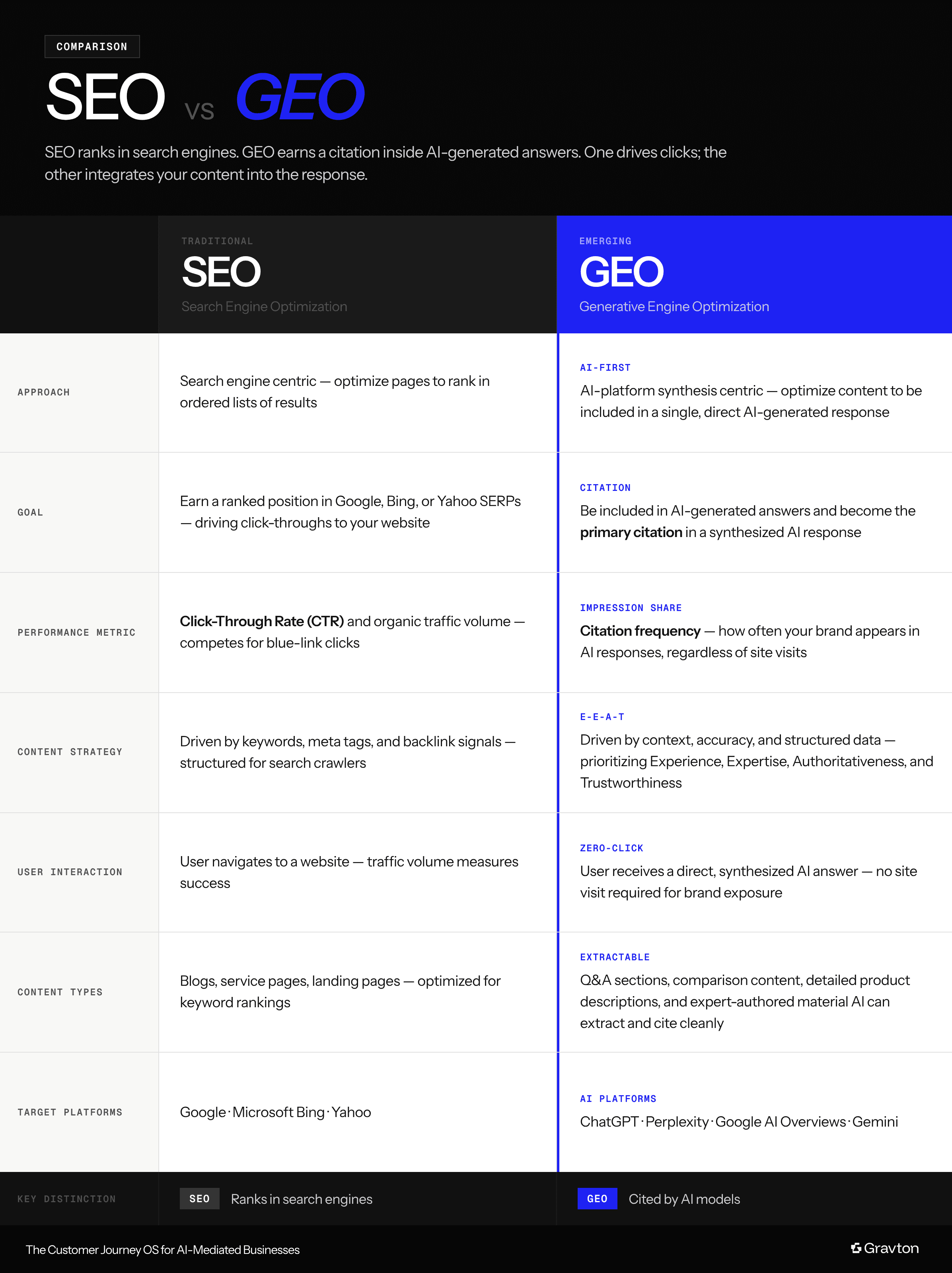
Figure 2: GEO vs SEO.
4. What are the key GEO strategies: AI prompts, AI search visibility, and AI attribution
4.1 AI prompts: how users ask questions and give instructions to AI systems
AI prompts are the inputs users submit to AI platforms. Unlike traditional search queries, AI prompts frequently include full sentences or detailed instructions. They are descriptive, conversational, contextual, and decision driven. Users do not type “laptop,” they type “What is the best laptop for graphic design under $1000 that I can buy from Amazon?”
This matters for content strategy in a specific way. A page optimized for the keyword “graphic design laptop” may rank well in Google. But a page that directly answers, “What should I look for in a laptop for graphic design?” is the kind of content an AI model will extract and cite. The content requirement is fundamentally different, not just superficially so.
Half of consumers now use AI tools daily. Your audience is already there. The question is whether your content is.
Four characteristics of AI prompts:
Descriptive → users clearly state the problem or objective they need help with.
Conversational → written in natural language rather than search-engine shorthand.
Contextual → users include background information, constraints, and goals.
Decision-driven → users ask AI to compare options and recommend a course of action.
4.2 AI search visibility: how often your brand appears in AI answers
AI search visibility measures how often your brand is mentioned or cited within AI responses. It is one of the most important new metrics in digital marketing, and one of the least measured. A brand with high AI search visibility is regularly surfaced by platforms like ChatGPT and Perplexity when users ask relevant questions, even if those users never perform a traditional web search.
This creates a category of influence that sits entirely outside your current analytics. A user who discovers your brand through a ChatGPT recommendation and then types your URL directly into their browser shows up in your data as direct traffic. The AI's role in that journey is invisible to your reporting. That invisibility is the problem.
AI search visibility takes four forms:
Direct mentions → your brand or product is expl icitly named in an AI response.
Source citations → your website is referenced as the origin of information the AI is drawing on.
Comparative inclusions → your brand appears in side-by-side comparisons within AI responses.
Product recommendations → your product or service is suggested by an AI platform in response to a buying or evaluation question.
4.3 AI attribution: how AI interactions influence user decisions and revenue
AI attribution tracks how AI-generated responses influence user behavior and, ultimately, revenue. Conventional attribution models depend on last-click or organic traffic metrics and cannot adequately capture a significant portion of the buyer's journey. This is not a minor reporting gap; it is a structural blind spot in how most marketing teams understand their own performance.
AI attribution can be analyzed at every stage of the marketing funnel:
Top of Funnel (TOFU) → Informational queries. Users explore a topic or try to understand a problem. When a brand is cited in AI answers at this stage, it builds awareness and introduces the brand to users who had no prior knowledge of it.
Middle of Funnel (MOFU) → Commercial investigation queries. Users evaluate which brands or products might best meet their needs. When an AI platform mentions your brand here, it directly shapes the shortlist a buyer takes into their final decision.
Bottom of Funnel (BOFU) → Transactional queries. Users are ready to act. AI responses at this stage directly influence final conversions: signing up, requesting a demo, or making a purchase.
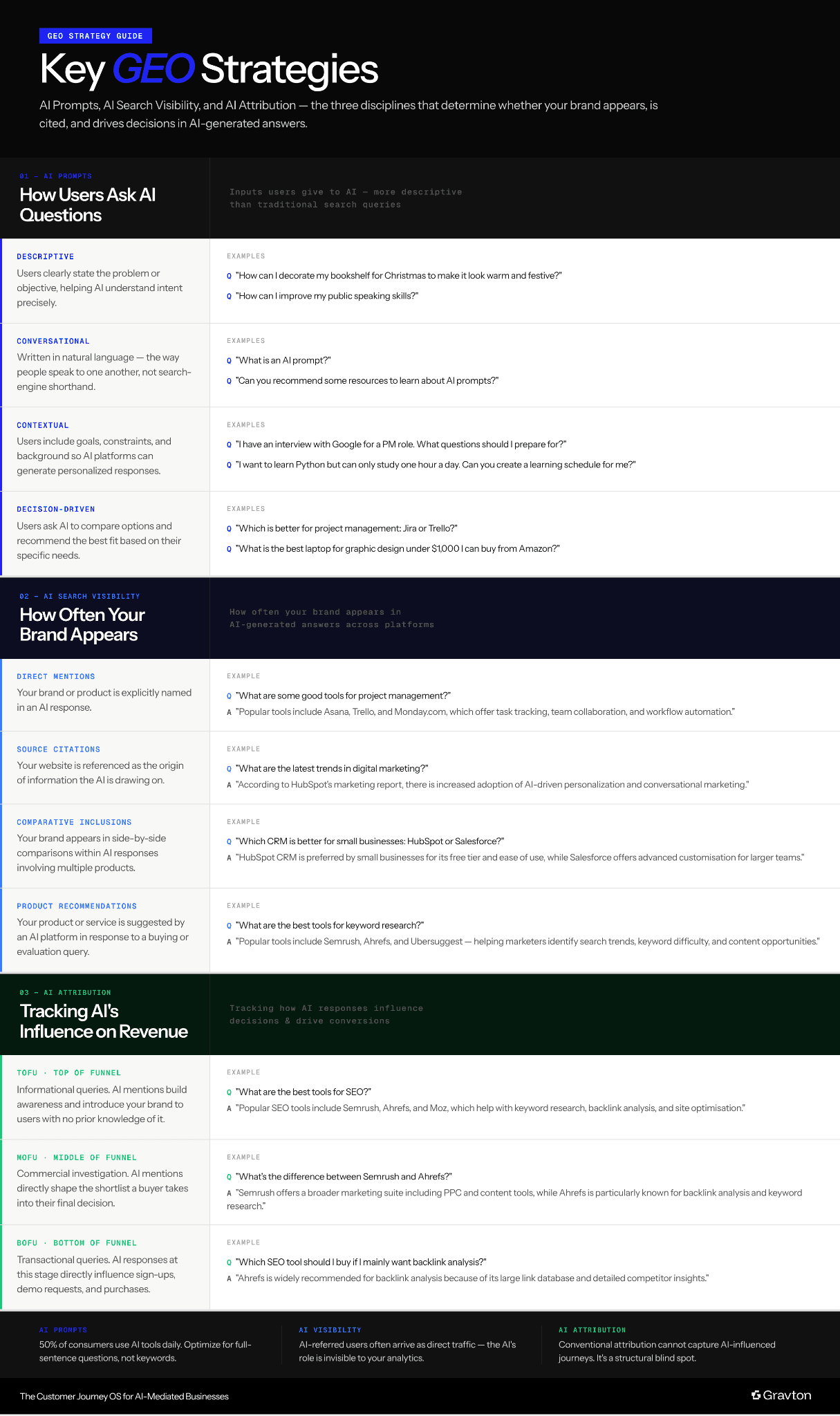
Figure 3: Key GEO strategies: understanding AI prompts, AI search visibility, and AI attribution.
5. How AI search is reshaping the customer journey
5.1 The traditional customer journeys
For years, the digital customer journey followed a predictable sequence: Search, Click, Browse, Buy. Users would begin with broad informational searches, explore multiple websites, read reviews and comparison articles, and gradually narrow their options before making a purchase. This process generated significant traffic across TOFU and MOFU content, blog posts, comparison pages, product reviews, and category guides. Every stage was a touchpoint, and brands with good SEO could insert themselves at multiple points along that path.
5.2 The new AI-driven journey
That journey is compressing rapidly. It is now estimated that 50% of consumers use AI search when researching purchases. Instead of browsing multiple sites, users open ChatGPT or Perplexity, enter a detailed prompt, and receive a synthesized response that does the comparison work for them.
The new customer journey increasingly looks like this: Prompt, Refine, Validate, Buy. The research and comparison work that previously filled the MOFU stage is now handled inside a single AI conversation.
5.3 The MOFU stage is collapsing
Users arrive at AI platforms with intent already formed, bypassing the exploratory browsing that traditional MOFU content was built to capture. This is not a gradual trend. For a growing segment of users, the middle of your funnel has already been replaced by a single AI conversation that you have no visibility into.
Table 1: Table mapping three marketing funnel stages to GEO goal.
Funnel Stage | User Intent | Example AI Prompt | GEO Goal |
TOFU (Awareness) | Exploratory, informational | “What laptop specifications are needed for graphic design?” | Get brand mentioned as a credible source |
MOFU (Consideration or Comparison) | Comparative, evaluative | “Best laptops for graphic design?” | Appear in comparisons and feature breakdowns |
BOFU (Conversion) | Decision-ready, Purchase-focused | “Best laptop for graphic design under $1000 on Amazon?” | Drive direct recommendation or citation |
5.4 What does this mean for the marketing funnel?
AI-generated answers are already reducing website traffic, with estimates suggesting organic traffic could decline by 15 to 25% as users rely more on AI-generated summaries instead of clicking links.
Two traffic patterns are emerging as a result. First, fewer organic clicks → users no longer need to visit multiple websites to gather information. Second, higher-quality traffic → the users who do click are much further along in their decision-making and closer to conversion. The volume drops, but the intent rises. Brands that optimize for this shift will convert more efficiently even with lower overall traffic.
5.5 A practical example
Traditionally, a user looking to buy a laptop for graphic design would start with broad searches, move through a consideration phase reading comparison article, and eventually search for a specific product before making a purchase. Each stage generated multiple traffic opportunities for brands appearing in search results.
Now, that same user opens ChatGPT and types: “What is the best laptop for graphic design under $1000 that I can buy from Amazon?” The AI returns a synthesized answer with product comparisons, pros and cons, and a buying recommendation, all in one response. The MOFU stage has been eliminated. Brands that are not present in that AI response become invisible to the buyer before the decision is made.
5.6 What brands must do
Brands that do not appear in AI-generated responses are functionally invisible during the most influential moments of the customer journey. This is not a positioning problem or a brand awareness problem. It is a content and structure problem, and it is solvable.
To build AI search visibility, marketing teams need to focus on three priorities:
Publish authoritative, well-structured content that answers specific, intent-rich questions directly.
Build credibility signals through expert authors, original research, case studies, and verified reviews.
Structure content in formats AI models favor: Q&A sections, comparison tables, product descriptions with clear attributes, and concise factual statements.
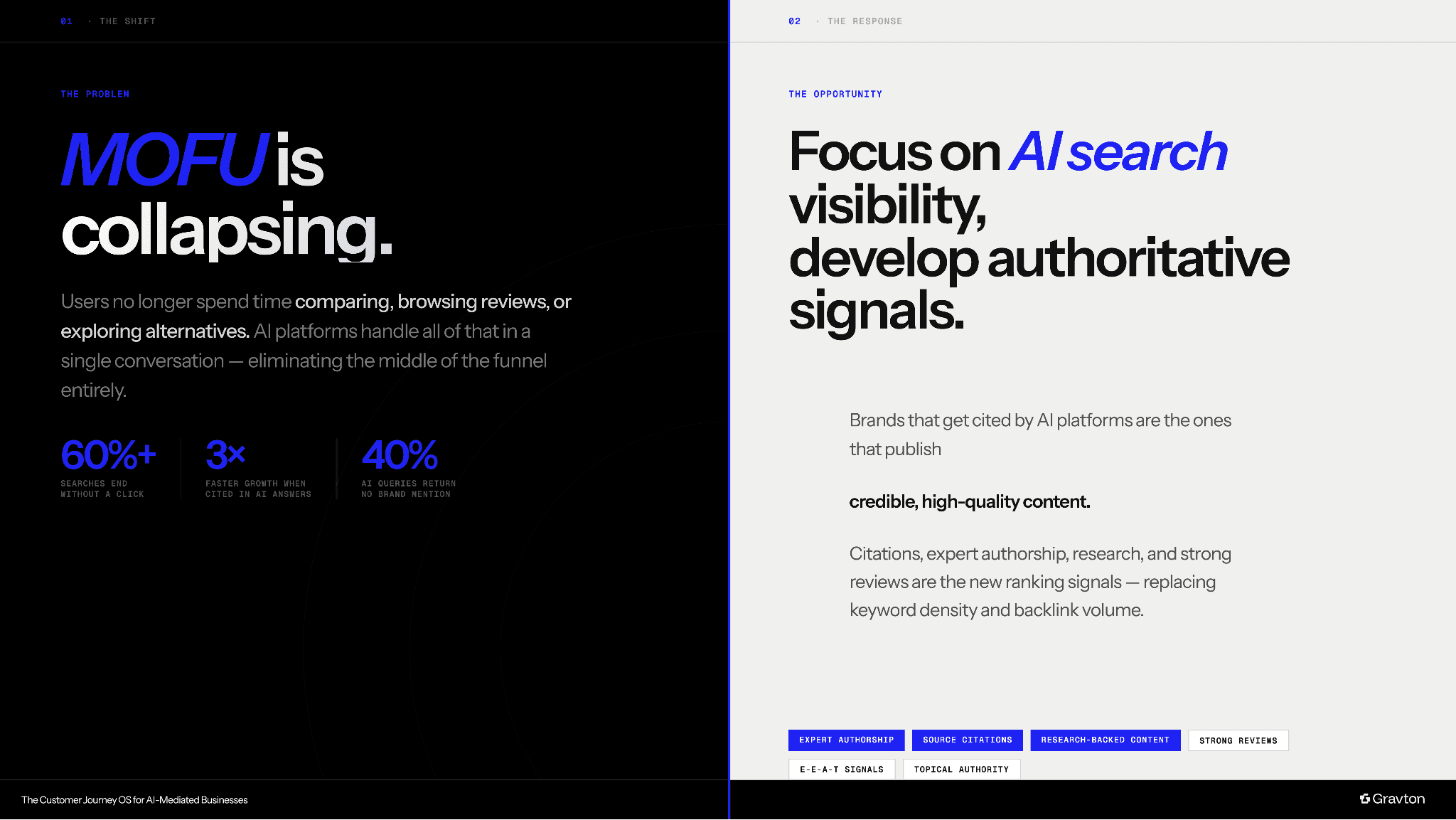
Figure 4: The Middle of the Funnel (MOFU) is disappearing.
6. What ChatGPT ads reveal about intent-based targeting
6.1 The end of the 10 blue links era
For decades, search behavior followed a consistent pattern: enter a query, scan a list of ten ranked links, click on the most promising one, and browse. That pattern is being displaced. Users increasingly receive direct, synthesized answers from AI platforms, answers that pull from dozens of sources but require no clicking at all.
This shift does not mean organic search is irrelevant. It means the type of content that earns visibility has changed. The brands that will be cited in AI responses are those that produce clear, authoritative, well-structured content that answers specific questions directly and concisely. LLMs favor consistency, accuracy, and content organized around real user questions, not content optimized purely for keyword density or backlink volume.
|
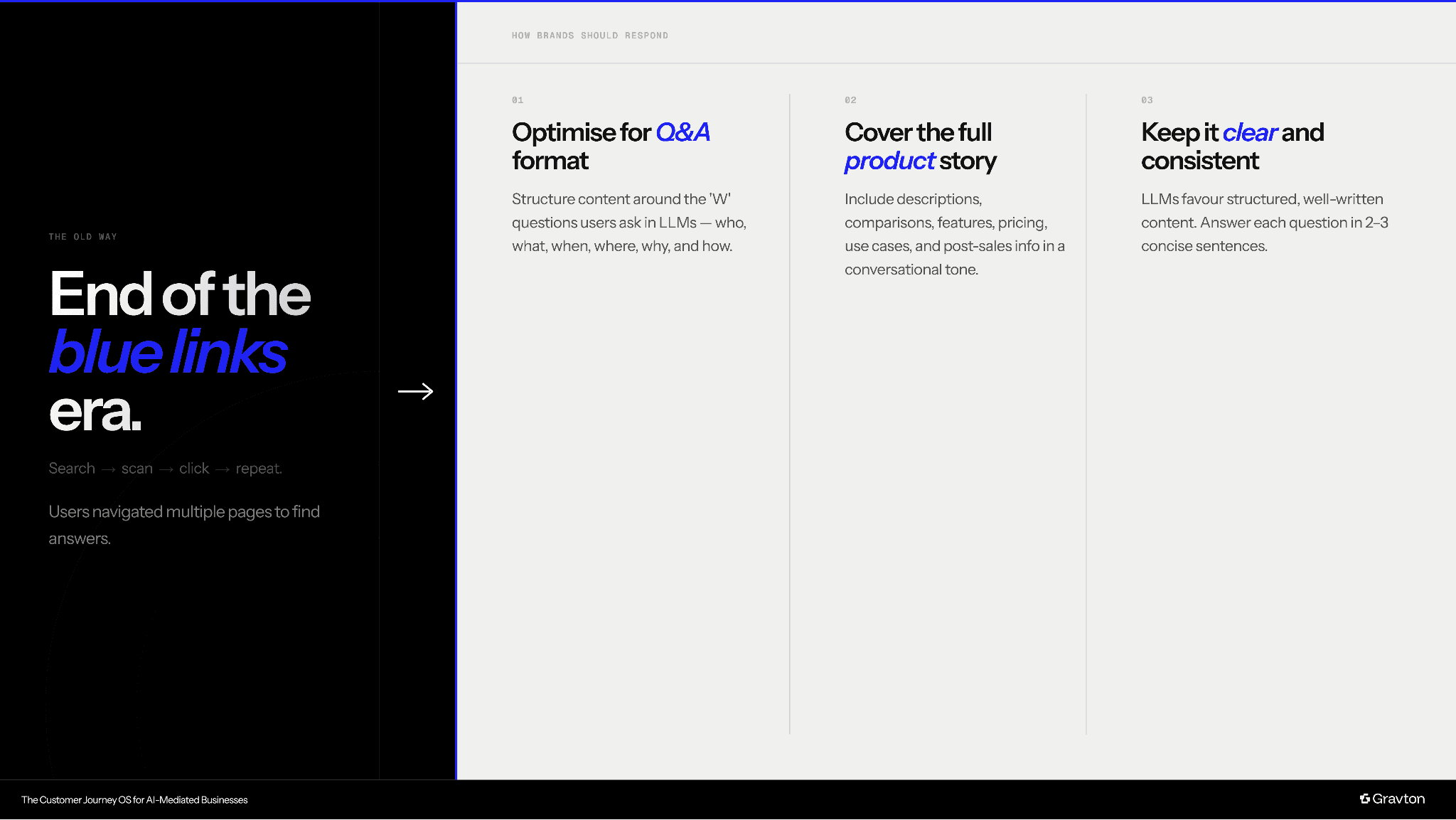
Figure 5: Beyond 'Blue Links': in the age of AI-generated answers, brands that win are those who write for conversations.
6.2 ChatGPT ads: AI advertising and commercial measurement
While direct advertising in AI platforms is still early-stage, the market is moving quickly. Perplexity AI introduced sponsored follow-up questions and branded placements within its conversational interface in November 2024. In February 2026, OpenAI began testing ads for U.S. users on ChatGPT’s free tier. The company has stated that ads will not influence ChatGPT's responses, will be clearly labeled, and will not use user prompts or personal data for targeting.
But traditional search advertising still dominates. Google generated approximately $265 billion in advertising revenue in 2024. But the broader AI advertising market is projected to exceed $107 billion by 2030, growing at approximately 31% CAGR. The brands building organic AI visibility today are also building the authority signals that will determine their effectiveness in paid AI placements tomorrow.
6.3 Intent-based targeting
Intent-based targeting matches ads to the expressed intent within a conversation rather than targeting based on demographics or keywords alone. This combines the intent-signal strengths of Google Search with the audience-targeting capabilities of Meta Platforms, making it a potentially powerful format for brands at the bottom of the funnel.
For marketing leaders, this creates a clear strategic priority. The same content quality and authority signals that drive organic citation today will inform how AI platforms evaluate brand credibility in paid placements tomorrow. Organic GEO is not a standalone tactic, it is infrastructure.
Geo is not the future: it's already reshaping search
Generative Engine Optimization (GEO) is the discipline of making your content visible, credible, and citable within AI-generated responses. The businesses that appear in those responses will have a significant advantage over those that do not. This is because AI is already the present for a large and growing share of your customers.
GEO does not replace SEO. It is the next layer on top of it. The customer journey is compressing, the middle of the funnel is collapsing, and AI search is moving toward paid advertising. Brands that build AI search visibility now, through authoritative content, strong E-E-A-T signals, and AI-optimized formats will be better positioned for both organic citation and the paid AI advertising channels that are emerging.
The question is not whether AI search will affect your brand's visibility. It already is. The only question is whether you are measuring it.
Generative Engine Optimization FAQs: Answers to common GEO questions
What is Generative Engine Optimization (GEO)?
Generative Engine Optimization (GEO) is the practice of optimizing digital content so that AI platforms, including ChatGPT, Perplexity, Google AI Overviews, and Gemini etc., can discover, understand, and cite it in their generated responses. It focuses on content clarity, authority, and structure rather than keyword rankings.
Why is GEO becoming important for businesses?
AI platforms are now used by approximately 50% of consumers during product research. A McKinsey analysis projects $750 billion in U.S. revenue will flow through AI platforms by 2028. Brands that do not appear in AI-generated responses are effectively invisible during critical decision-making moments.
Does GEO replace SEO?
No. GEO does not replace SEO. SEO continues to drive traffic through ranked search results. GEO ensures your content is visible within AI-generated responses. As user behavior shifts toward AI-first search, businesses need both strategies to maintain full-funnel visibility.
How is GEO different from SEO?
SEO improves a website's ranking in traditional search engine results and measures success through click-through rate and organic traffic. GEO improves a brand’s visibility inside AI-generated answers and measures success through citation frequency and impression share. The two strategies are complementary, not mutually exclusive.
What is AI search visibility?
AI search visibility is a metric measuring how frequently your brand is mentioned or referenced in AI-generated answers. It includes direct mentions, source citations, comparative inclusions, and product recommendations across platforms like ChatGPT, Perplexity, and Google AI Overviews.
How do AI platforms decide which content to cite?
AI platforms favor content that is clear, accurate, well-structured, and authoritative. Content backed by expert authorship, original research, and structured formats such as Q&A sections or comparison tables is more likely to be cited.
Trust is also critical. A Gartner survey found that 53% of consumers lack confidence in AI-generated search results, increasing the importance of credible, authoritative sources.
How can my brand improve its AI search visibility?
Focus on three areas: publish authoritative content that directly answers specific, intent-rich questions; build credibility through expert authors, original research, and verified reviews; and structure your content in AI-friendly formats including Q&A sections, comparison tables, and clear product descriptions.
What is intent-based targeting in AI advertising?
Intent-based targeting matches ads to the specific intent a user expresses during an AI conversation, rather than targeting based on demographics or keywords alone. ChatGPT is expected to use this model, combining the intent signals of search advertising with the audience-targeting capabilities of social platforms.
Win your AI search demand universe
Understand how AI platforms retrieve, cite, and recommend your brand and where competitors are winning visibility.
VISIBILITY & CONTENT STRATEGY