AI Search Engines and Traffic Sources: Trends and Platform Insights
AI Search Engines and Traffic Sources: Trends and Platform Insights
Discover which AI search engines drive traffic to your brand and how to optimize for ChatGPT, Perplexity, and Google AI Overviews.
Haritha Kadapa
Highlights
AI Search as a New Traffic Channel: Generative AI search platforms like ChatGPT, Perplexity, Gemini, Claude, and Copilot are becoming independent sources of website traffic, reshaping how users discover brands and content.
Distinct Traffic Patterns by Platform: ChatGPT drives product research and brand discovery, Perplexity favors in-depth research with citations, Gemini focuses on task-oriented queries, and Claude attracts long, analytical sessions.
Higher Engagement and Conversions: AI referral traffic shows stronger engagement and higher conversion rates than traditional organic search, with ChatGPT leading.
Industry Variations: Software, finance, healthcare, and e-commerce sectors gain high-intent AI visitors, while media and publishing lose clicks as summaries reduce full-article consumption.
Strategic Importance for Brands: Companies must monitor and optimize for AI search visibility to maintain awareness, authority, and market share in a growing AI-driven discovery.
AI Search Engines and Traffic Sources are generative AI platforms such as ChatGPT, Perplexity, Claude, Gemini, Google AI Overview, and Microsoft Copilot. These platforms deliver information directly to users through conversational interfaces, acting as new channels for discovering content.
Large language models (LLMs) reduce the need for users to click through to websites. Users interact heavily with the traffic that these AI platforms generate. These AI search engines and traffic sources drive a small but fast-growing share of website traffic.
Businesses need to understand where AI search traffic comes from and how it behaves. This report provides detailed insights into AI search engines, including the latest statistics and platform comparisons.
What are AI Search Engines and Traffic Sources?
AI search engines are platforms that use large language models (LLMs) to generate direct, conversational responses to user queries. Instead of returning a list of links, these systems synthesize information from multiple sources and present summarized answers, often with citations.
This approach changes the traditional discovery model from a multi-step process (Search → Click → Browse → Buy) to a more direct interaction model to (Prompt → Receive → Decide). Users increasingly rely on AI-generated responses to evaluate options before visiting a website, which shifts when and why traffic reaches brand-owned properties.
Table 1: Major Categories of AI Search Platforms.
Category | AI platforms | Primary Use Case |
General-purpose conversational search | ChatGPT, Gemini, Copilot | Broad queries, product research, everyday tasks |
Research-focused AI search | Perplexity, Claude | In-depth analysis, long-form explanations, citations |
Developer-focused search | Phind, You.com | Coding assistance, documentation lookup |
Academic and evidence-based search | Consensus | Research-backed answers from scholarly literature |
Regional AI search ecosystems | Doubao, Quark AI, Yuanbao | Integrated AI search within regional app ecosystems |
Together, these platforms form a new category of AI-driven search traffic sources. They give users curated answers without requiring them to visit multiple websites. The platforms include links back to the original websites, creating a new “invisible funnel” for content discovery.
Why do AI Search Engines Matter for Business Traffic?
Marketers need to understand how AI search is reshaping the customer journey. Traffic from AI platforms behaves differently from organic search traffic. Users from AI sources usually are further along in their research. They have already received summarized answers and visit your site to confirm information or take action. This traffic shows higher intent but gives marketers a smaller window to influence decisions before they are made.
Table 2: How AI Traffic Differs from Traditional Organic Traffic
Dimension | Traditional Search | AI Search Referrals |
Discovery process | User scans multiple links | AI synthesizes answers before click |
Information depth before visit | Limited | High → summaries and comparisons already consumed |
User intent at arrival | Mixed | Typically mid- to late-funnel |
Session behavior | Exploratory | Task-driven and goal-oriented |
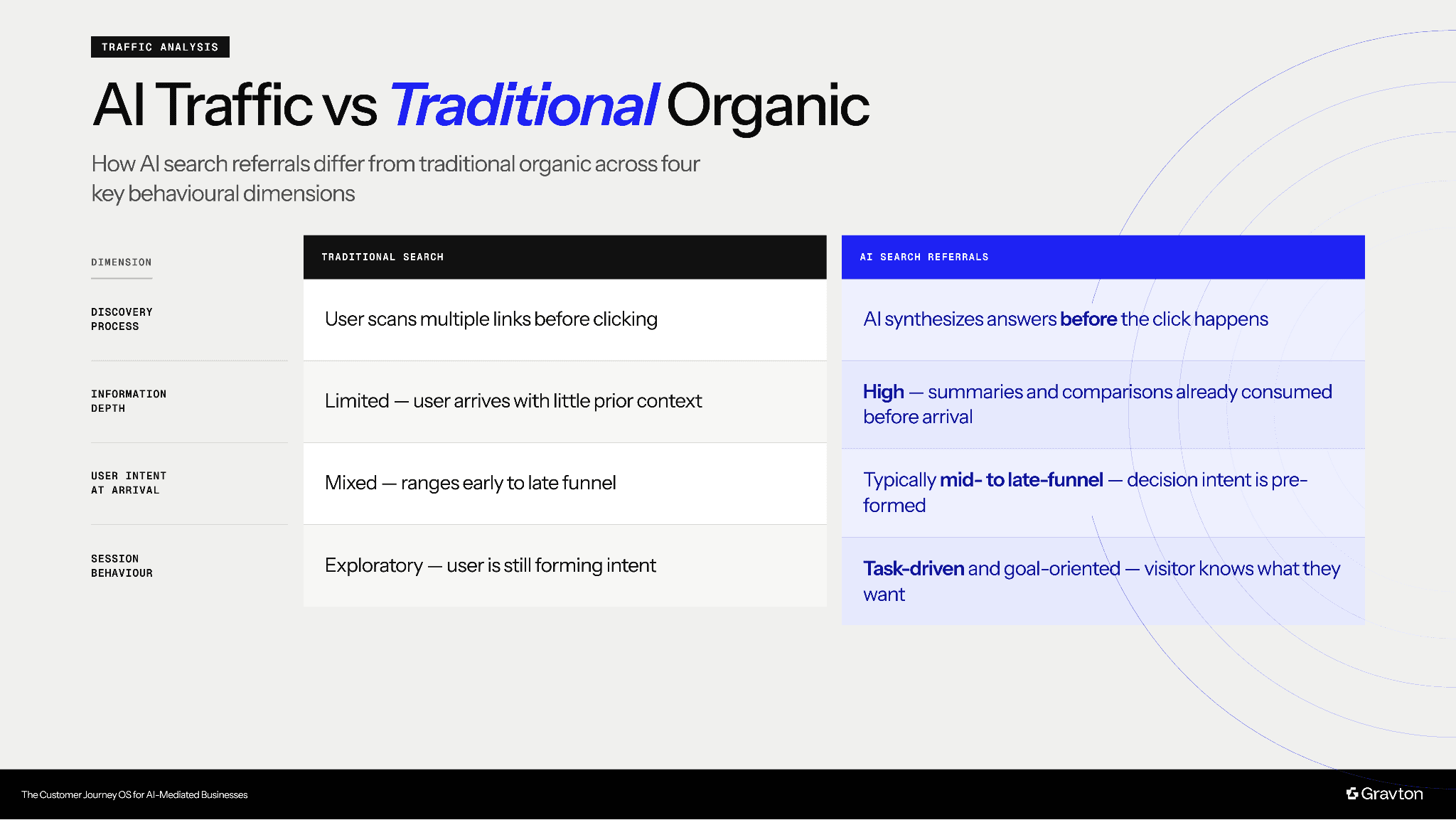
Figure 1: Difference in AI traffic and traditional organic traffic.
Different AI platforms show distinct user behavior patterns.
Table 3: Platform-Specific Traffic Patterns
AI Platform | Typical User Behavior | Common Landing Pages |
ChatGPT | Product discovery, vendor comparisons, feature evaluation | Product pages, pricing, comparison pages |
Perplexity | Evidence-based research and citation checking | Blog articles, documentation, whitepapers |
Gemini | Task execution and real-time information lookup | Tools, calculators, product listings |
Claude | Analytical and policy-related queries | Long-form reports, enterprise documentation |
Others | Niche or specialized queries within specific domains such as developer tooling, academic research, or regional platforms | Highly targeted pages such as technical documentation, research papers, or localized content |
Measuring AI Referral Traffic
AI traffic often appears in analytics under emerging referral domains or as direct traffic when tracking parameters are not preserved. Businesses need to monitor:
Referral sources tied to AI domains
Spikes in direct traffic following known AI mentions
Brand queries that follow AI-generated recommendations
Teams looking to more precisely attribute this activity often implement dedicated methods to track ChatGPT traffic and distinguish it from other AI or direct visits.
Understanding these patterns allows marketing teams to identify which AI platforms are contributing to awareness, consideration, and conversions.
It is important for brands and businesses to optimize their websites for AI search engines. Check out our 4-step process to build an AI search visibility strategy.
How AI Platforms Compare in Traffic Share and Engagement?
AI referral traffic shows higher engagement than traditional organic search.
Table 4: Relative Traffic Contribution and Engagement Trends.
AI Platform | Relative Traffic Share | Engagement Characteristics |
ChatGPT | Highest share of AI referrals | Strong click-through on product and solution queries |
Perplexity | Moderate share | High citation visibility and consistent outbound clicks |
Gemini | Growing share | Longer sessions on task-oriented pages |
Claude | Smaller share | Deep engagement and extended session durations |
Others | Niche | Traffic concentrated in specialized communities |
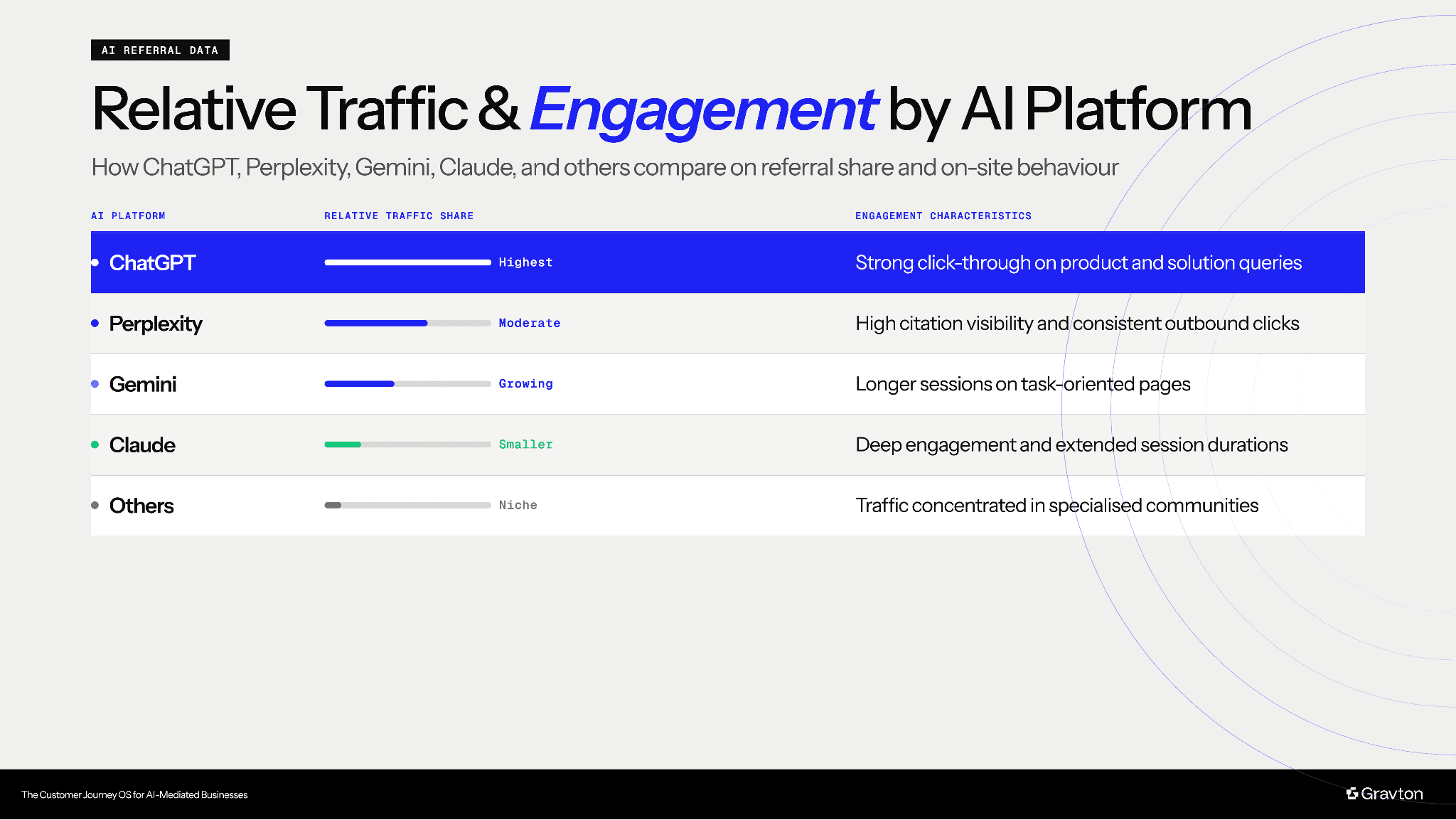
Figure 2: Relative traffic and engagement by AI platform.
Table 5: Engagement Metrics Observed Across AI Referrals.
Metric | Typical Observation vs Organic Search |
Average session duration | Higher for AI-origin sessions |
Pages per session | Often lower but more targeted |
Conversion rate | Frequently higher due to pre-qualified users |
These patterns indicate that AI platforms act less as broad discovery channels and more as filtering layers that send smaller but more qualified audiences to websites.
How Does AI Search Impact Different Industries and Sectors?
The influence of AI-driven discovery varies significantly by industry, largely depending on how much users rely on research, comparisons, or expert explanations during the buying process.
Table 6: AI Traffic Share by Industry Characteristics.
Industry Characteristic | Example Sectors | Observed Impact |
Research-intensive | Software, finance, healthcare | Higher visibility in AI-generated responses |
Comparison-driven | E-commerce, B2B services | More AI-assisted product and vendor evaluation |
News and commentary focused | Media and publishing | Reduced click-through due to on-platform summaries |
Table 7: Conversion Performance by Sector.
Sector | Conversion Impact from AI Traffic |
Software, finance, healthcare | Often significantly higher than organic benchmarks |
E-commerce, B2B services | Higher average order intent but smaller traffic volumes |
Media and publishing | Lower traffic volumes as users consume summaries without visiting source sites |
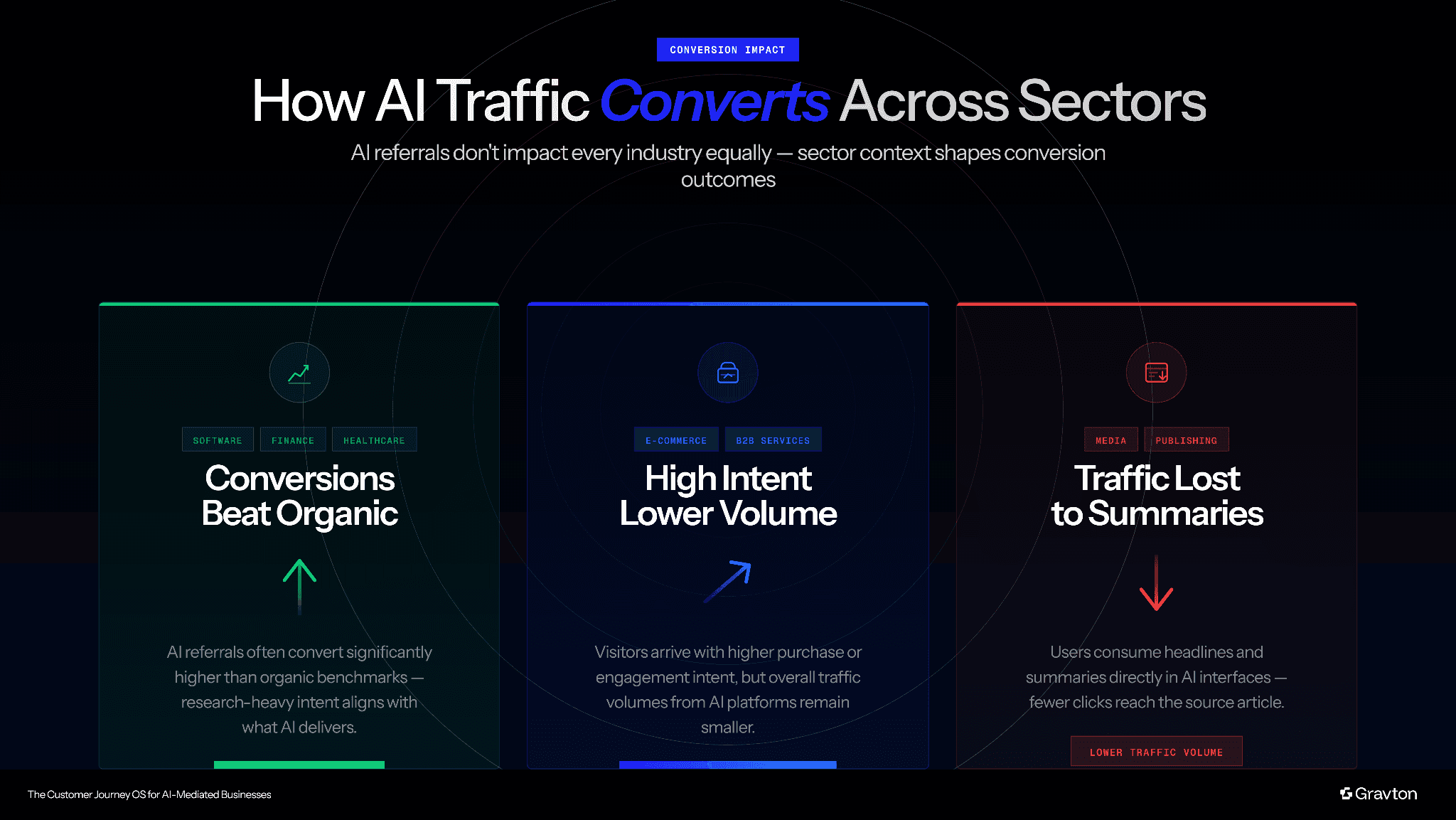
Figure 3: Sector differences in AI traffic.
These sector-level differences highlight that AI search is not uniformly disruptive; its effects depend on how users consume information and how often they rely on summarized knowledge instead of original content.
|
The Bottom Line: AI Search is Now a Primary Traffic Channel
AI Platforms such as ChatGPT, Perplexity, Gemini, and Copilot no longer just answer questions. They are becoming independent AI search traffic sources that shape how users discover brands, products, and information. Visitors from these AI platforms often spend more time on sites and convert at higher rates because much of their research is already done before they click through.
AI referrals still make up a small share of overall website traffic, but their rapid growth makes them increasingly important for long-term digital visibility. The impact varies by industry: B2B, software, and e-commerce sectors gain more qualified traffic, while media and publishing lose clicks as users consume summarized content directly in AI interfaces. As AI systems synthesize and recommend sources, companies that do not appear in AI-generated responses risk losing awareness, authority, and market share, even if they continue to rank well in traditional search results.
AI Search Engines & Traffic: Frequently Asked Questions
What are AI search engines and traffic sources?
AI search engines are platforms that use large language models (LLMs) to generate direct, conversational answers to user queries. Examples of widely used AI search engines include ChatGPT, Perplexity, Gemini, Claude, and Microsoft Copilot.
How are generative AI search engines different from traditional search engines?
AI search engines summarize and interpret content before presenting it to the user. AI search engines shifted the discovery process from the traditional “Search → Click → Browse” journey to a more direct “Prompt → Receive → Decide” experience.
Which AI search traffic sources currently drive the most website traffic?
Among all AI-driven platforms, ChatGPT generates the largest share of referral traffic, followed by Perplexity and Gemini. ChatGPT accounts for the majority of global AI referral growth, while Perplexity is known for its citation-rich responses, and Gemini benefits from its integration with Google Search.
How do user behaviors differ across generative AI search platforms?
Each platform produces distinct traffic patterns:
ChatGPT traffic is associated with product discovery and solution comparisons.
Perplexity traffic comes from users conducting deep research and seeking authoritative sources.
Gemini traffic is task-oriented, especially for real-time data, tools, or calculations.
Claude referrals often result in the longest sessions due to complex analytical queries.
How is AI search traffic impacting different industries?
AI-generated referrals currently account for a small but rapidly growing share of total website traffic. Software, finance, healthcare, e-commerce, and B2B service providers benefit the most, as AI platforms send high-intent visitors who are closer to making decisions. Media and publishing organizations often see fewer clicks because AI tools summarize their content directly in search interfaces.
Free AI Visibility Audit
Limited Availability.
VISIBILITY & CONTENT STRATEGY