Citation Graph & Source Influence in AI Search
Citation Graph & Source Influence in AI Search
Explore how the Citation Graph & Source Influence shape which brands appear in AI-generated answers and why these authority signals matter for brand visibility.
Haritha Kadapa
Highlights
Citation Graphs: Citation graphs determine which sources AI systems trust, retrieve, and cite in their generated answers.
Source Influence: Source influence is shaped by citation frequency, domain credibility, and semantic consistency across sources.
Citation Awareness: AI models develop citation awareness during both training and real-time retrieval, which reinforces the prominence of well-cited sources.
Citation Network Visibility: Brands that exist outside strong citation networks often go unnoticed in AI-generated responses, even when their content is high-quality.
Authority Building for AI Search: To enhance AI search visibility, it is essential to build authority through structured content, topical depth, and third-party mentions.
In the era of AI-driven answers, understanding the Citation Graph & Source Influence behind generative models is crucial. These factors determine whether AI platforms will cite a brand. For instance, when ChatGPT answers a question, it does not pull from a random pool of content. It draws from a structured web of sources that it has already determined to be credible, relevant, and well-connected. That structure is the citation graph.
This article explains what citation graphs are, why source influence in LLM results and AI search matter, and how to optimize content for better AI citation visibility.
Understanding Citation Graphs & Source Influence in AI Search
A citation graph is a network of nodes (sources) and edges (citations). Each node represents a content source, and the edges represent the references among them. Together, these show how web content references other content.
|
Key Components of a Citation Graph
Nodes
Web articles, research papers, and product documentation.
Edges
Links (hyperlinks, backlinks, internal links, no-follow, sponsored links) and mentions.
Authority weighting
Importance assigned based on connections and credibility.
Structure of a Citation Graph
Citation graphs are hierarchical and cluster-based, with sources falling into three general categories:
Core nodes
Core nodes are high-authority sources. They include peer-reviewed publications, major industry outlets, government data, and information from established research institutions. They are frequently referenced across multiple domains and have dense inbound citation networks.
Mid-tier nodes
Mid-tier nodes are content cited by core nodes. They include industry magazines or websites, blogs run by experts, and credible brand-owned content. When embedded in the right clusters, they carry significant weight.
Peripheral nodes
Peripheral nodes are isolated pages. They have few or no inbound references from authoritative sources. Regardless of how well written they are, AI models assign them minimal influence.
Citation Graphs in AI Search
In AI search, citation graphs help explain how AI models reference content. Source influence explains how much a site's content shapes an AI model's responses. Together, they clarify why certain brands consistently appear in AI-generated responses while others do not.
When a large language model (LLM) is trained or retrieves information for a response, it weights sources based on key ranking signals (explained below).
A key principle is that AI models favor sources with clear, verifiable content. Sites with structured data or clear claim-evidence pairs are more likely to be surfaced during retrieval. This is why Generative Engine Optimization (GEO) practices, such as clearly defining concepts, using structured knowledge, and aligning content with AI retrieval patterns, play a critical role in improving visibility.
A source at the center of a dense citation cluster carries far more influence than an isolated page with no inbound references. This citation graph mechanism functions as a reputation system. The more credible sources a source cites, the more weight it carries in AI-generated outputs.
For instance, retrieval-based systems such as Perplexity or Google AI perform live searches and include source links. Model-native systems, such as ChatGPT without browsing, rely on patterns learned from their training data.
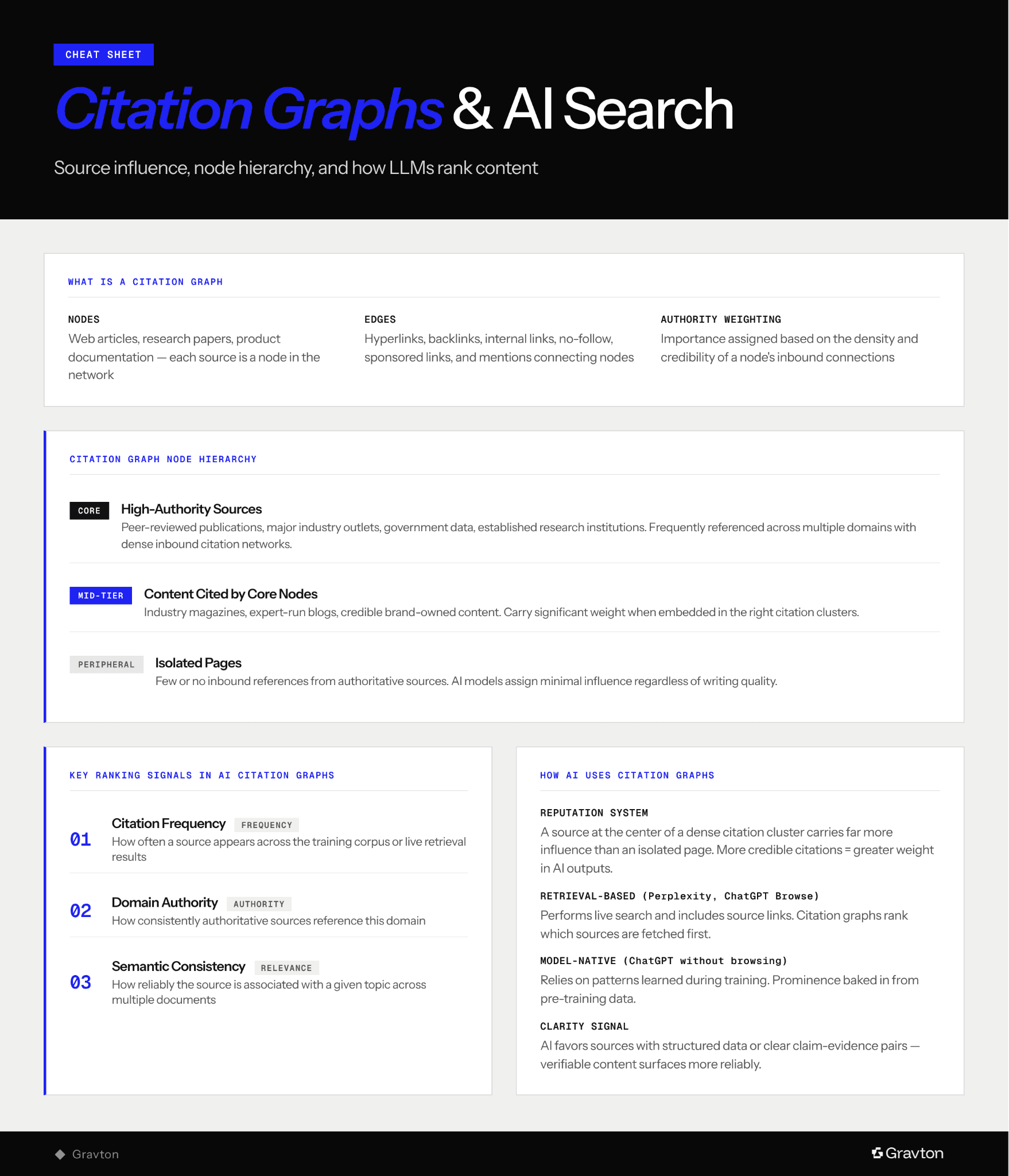
Figure 1: Citation graphs determine which sources AI trusts, retrieves, and cites
How Sources Get Selected?
LLMs build citation awareness in two stages: training and retrieval.
Training Phase
The training phase is like academic citation analysis, where highly cited papers gain influence. During the training phase, AI models ingest massive text corpora. Sources that frequently appear or are cited by other sources gain source influence in LLM results.
Retrieval Phase
The retrieval phase is like real-time literature review. AI platforms such as ChatGPT and Perplexity use retrieval to fetch live documents. Citation graphs help rank which sources should be retrieved first.
Key ranking signals in AI citation sources include:
how frequently they appear → citation frequency
how often authoritative sources reference them → domain authority
how consistently they are associated with a given topic → semantic consistency across sources
These signals differ from traditional search optimization approaches, as AI systems prioritize citation networks and contextual relevance over simple keyword matching. This makes it essential to understand how Generative Engine Optimization (GEO) compares with traditional SEO in shaping visibility.
This dual process of training and retrieval explains the reason why established publishers and well-linked documentation often dominate AI citation sources.
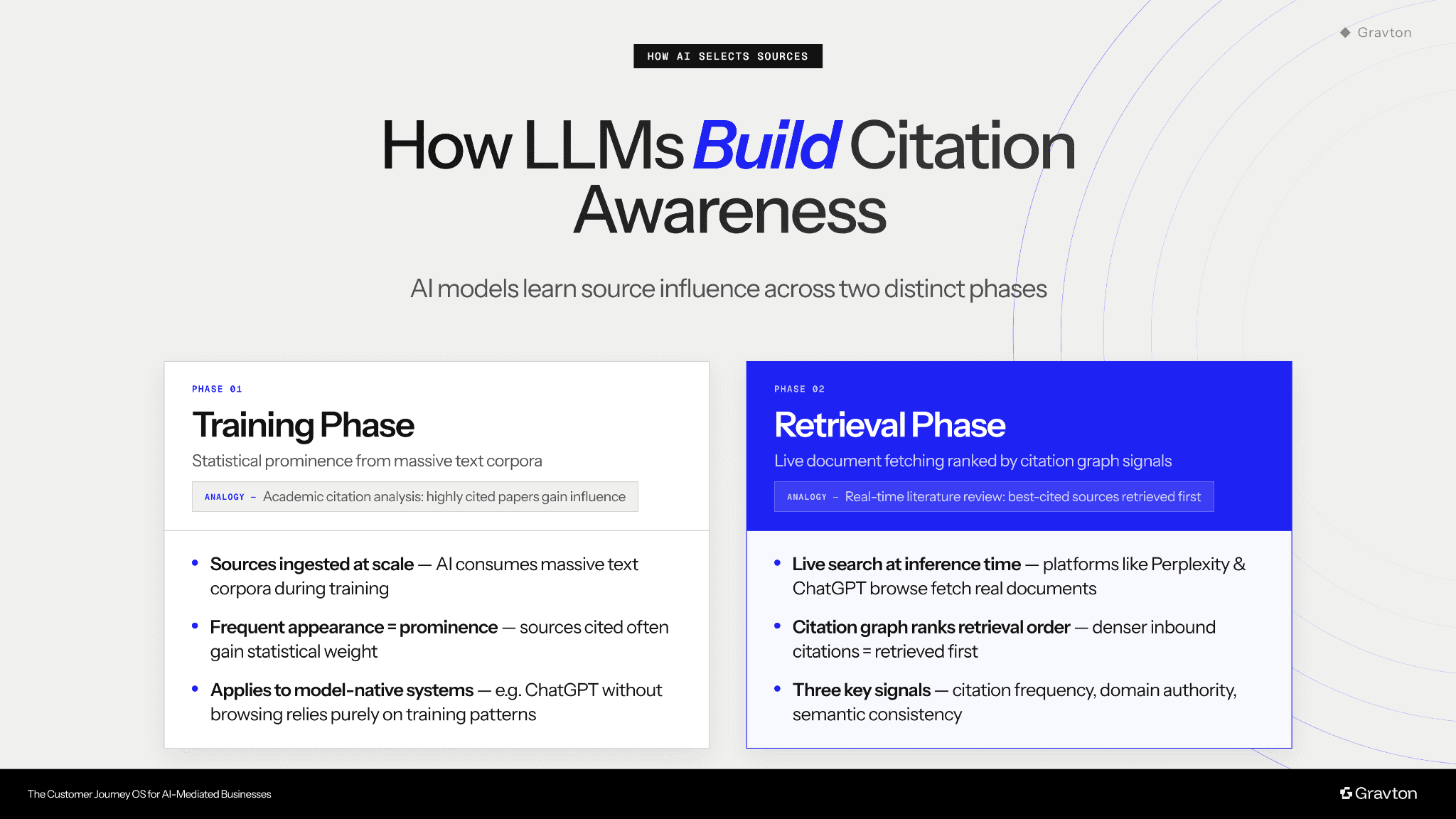
Figure 2: LLMs build citation awareness through two phases: training and retrieval.
AI Citation Selection Signals and Their Impact
Table 1: AI citation ranking factors and their impact.
Factor | What It Means | How AI Uses It | Impact on AI Citations |
Domain credibility / Reputation & Trust | Authority of the publishing domain and its backlink profile | Models favor sources from academic journals, official publications, and reputable news sites. Citations from other trusted sites increase weight in the citation graph. | High |
Citation frequency | How often a source is referenced by other sources | Frequently cited sources appear more central in citation clusters and are more likely to be retrieved or learned during training. | High |
Topical authority | Depth and breadth of coverage within a subject area | Sources consistently associated with a topic are treated as reliable domain experts and are prioritized in retrieval. | High |
Consensus and mentions | Agreement across multiple independent sources | When several sources repeat the same claim, models interpret this as reliability and elevate those sources during ranking. | High |
Structure and formatting | Use of schema markup and clear content structure | Structured pages with schema, headings, and verifiable data are easier for retrieval systems to parse and therefore more likely to be selected. | Medium |
Prompt matching / Semantic relevance | Alignment between user query and page language | Content that closely matches natural language prompts, synonyms, and key phrases is more likely to be retrieved as a candidate answer. | Medium |
Freshness | Recency of updates or publication | Recently updated content may be preferred when the topic is time-sensitive or rapidly changing. | Medium |
Platform model factors | Differences in how each AI system retrieves or recalls sources | ChatGPT without browsing relies on training exposure, while systems like Perplexity or Google AI Overviews prioritize live indexed content. | Variable |
Why Does Source Influence & AI Visibility Matter?
Visibility in AI search depends on being part of the citation graph. Each citation in an AI-generated answer builds brand authority and user trust. Over time, these frequently cited sources become "trusted" entities in the LLM's index. For brands, this creates a new invisible funnel where users engage with content without visiting the website. For brands, this creates a new invisible funnel where users engage with content without visiting the website. Building a structured AI search visibility strategy that integrates SEO, GEO, and answer optimization is therefore essential to ensure consistent inclusion in AI-generated responses.
Additional data from McKinsey & Company and Forrester Research further highlight this new invisible funnel:
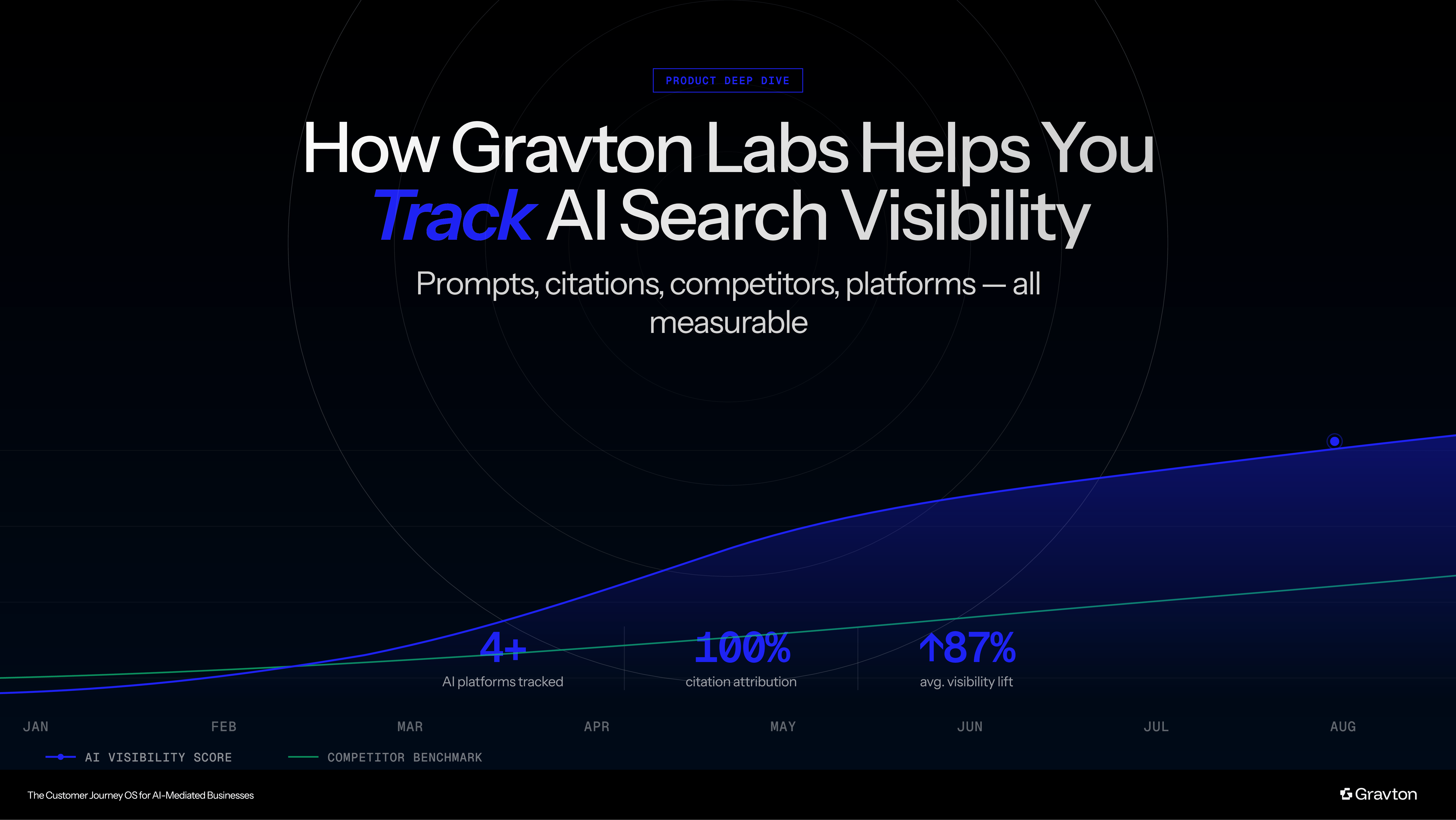
70% of enterprise buyers use AI platforms for research.
30-40% of clicks are reduced by AI-generated responses and summaries.
1/3rd of users shows higher trust in AI-generated responses.
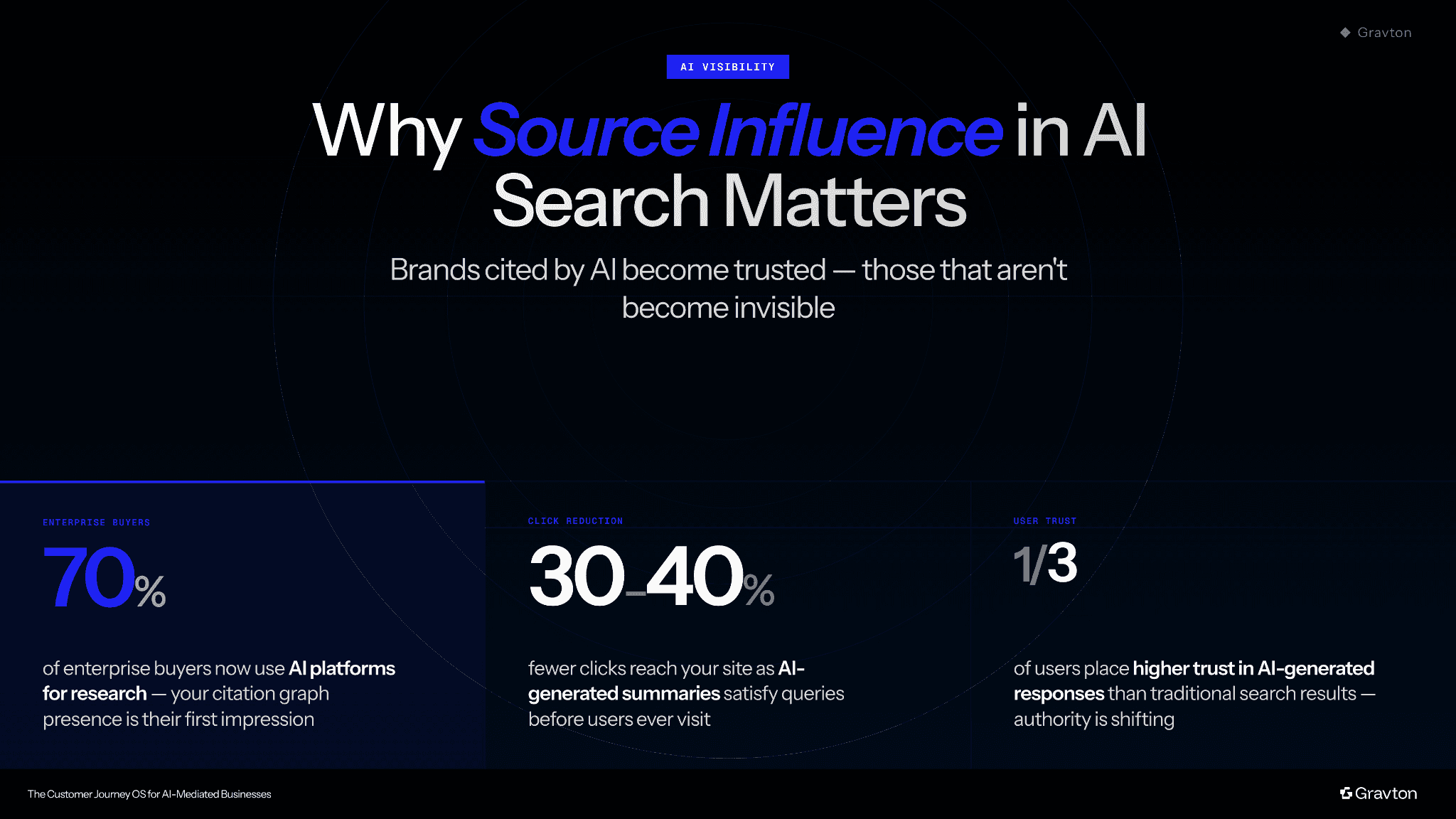
Figure 3: In AI search, source influence determines which brands are cited.
What Does Source Influence Look Like in Practice?
Consider a B2B SaaS company that provides digital marketing software and publishes weekly blog posts. When a potential buyer asks AI platforms such as ChatGPT to recommend digital marketing tools or vendors, the company does not appear in the responses. The reason is that external sources cite none of its content.
In contrast, a competitor has had its annual trends report cited by major industry publications and blogs run by experts. As a result, this competitor consistently appears in AI-generated answers because it fits into the citation graph that AI LLMs uses.
This example illustrates a fundamental shift in how brand visibility works. Content that exists outside the citation graph does not benefit from the AI visibility.
|
How To Build and Measure Source Influence in AI Search?
Improving source influence in LLM results requires optimizing content for both human and machine understanding. This discipline, known as Generative Engine Optimization (GEO), focuses on making content easier for AI models to retrieve, interpret, and cite. It focuses on factual clarity, entity recognition, structured explanations, and the creation of authoritative signals.
Several best practices have emerged for GEO, including
Defining concepts clearly
Using structured knowledge
Leading every section with a direct answer
Building topical authority
Publishing authoritative explanations
Earning credible third-party mentions
Using schema markup
Updating content regularly
Check out our core GEO best practices in detail!
Building an AI search visibility strategy together is essential. It involves a combination of four systems working in unison: Search Engine Optimization (SEO), which ensures visibility in AI search engines. Generative Engine Optimization (GEO) ensures inclusion in AI-generated answers. Answer Engine Optimization (AEO) ensures that your content is selected as the answer. Finally, content Authority Building, which ensures your brand is trusted and cited consistently
Check out our 4-step AI search visibility strategy!
Citation Graphs Define the Future of AI Discovery
Citation Graph & Source Influence determine whether your content is visible in AI-generated answers or remains unseen. As AI tools increasingly act as the primary interface between users and information, these concepts become as important as search rankings once were. By understanding how authority signals in AI search, citation networks, and source credibility interact, you can position your content to be trusted and cited by AI systems.
Citation Graph & Source Influence in AI Search: Frequently Asked Questions
What is a citation graph in AI search?
A citation graph is a network that maps how content sources reference each other. Each source is represented as a node, and each citation, link, or mention forms a connection between nodes. AI systems use this network to understand which sources are credible, well-connected, and frequently referenced.
What does source influence mean in AI-generated answers?
Source influence describes how strongly a source shapes AI-generated responses. It is determined by how often a source is cited, which authoritative sites reference it, and how consistently it is associated with a topic. Sources with higher influence are more likely to be retrieved, summarized, and cited by AI systems.
How do AI models use citation graphs during training and retrieval?
AI systems build citation awareness in two stages. During training, frequently cited sources become statistically prominent in the data. During retrieval, citation graphs help rank which live documents should be fetched and shown as supporting sources in a response.
Why do some brands appear in AI answers while others do not?
Brands that are cited by authoritative and independent sources become part of dense citation clusters. AI systems prioritize these sources because they appear more credible and reliable. Brands whose content is rarely referenced remain peripheral and are less likely to be included in generated answers.
What signals increase a source’s influence in AI search?
Key signals include domain credibility, citation frequency, topical authority, semantic consistency across sources, structured content, and freshness. AI systems use these factors to decide which sources to trust and retrieve.
Free AI Visibility Audit
Limited Availability.
VISIBILITY & CONTENT STRATEGY